The “Fondazione Santagata for the Economics of Culture ETS” was established on April 13 2018, on the initiative of the Silvia Santagata Research Centre (CSS-EBLA).
The Foundation builds on the experience and expertise developed over the years by the CSS-EBLA and continues the research activity initiated by Walter Santagata, an international pioneer in the field of Cultural Economics, born on April 13, 1945.
The Foundation’s work is structured around five main areas of activity: the management of cultural heritage, with a particular focus on the economic development of territories and UNESCO programmes; the safeguarding of intangible cultural heritage; cultural innovation and contemporary production, with attention to emerging markets and new cultural professions; the enhancement of tourism linked to both tangible and intangible heritage, creative industries, and production districts; and the promotion of a just ecological transition, with a focus on UNESCO programmes and on the relationship between cultural heritage, natural heritage, and climate change.
These areas are addressed through a set of operational tools including research, training, technical support, evaluation, and public programmes, applied at both the national and international levels.
In parallel, the Foundation focuses on several strategic challenges: Citizenship, with initiatives dedicated to the role of culture in democracy and active participation; Culture and Crisis, with projects for peace, resilience, and reconstruction in contexts affected by conflicts or disasters; Youth, aimed at promoting cultural consumption among under-18s and fostering youth participation in culture as a driver of individual growth and community development; Digital Transformation, promoting the strategic use of digital technologies as a lever for innovation, sustainability, and accessibility in the cultural sector.
To support these pathways, the Foundation has launched a number of Flagship Programmes, including: YES (Youth Empowerment for Sustainability), the UNESCO Chair in Cultural Heritage and Sustainable Development, and the National 4C Observatory, which provide transversal frameworks for wide-ranging initiatives.
The Foundation also promotes the strengthening of collaborative networks among cultural operators and other sectors, as well as supporting internationalization processes, with the aim of expanding the social and economic impact of culture and generating shared value.
The outcomes of the Foundation’s activities are regularly disseminated nationally and internationally through partnership networks, UNESCO channels, training communities, dissemination initiatives, and the Foundation’s digital platforms, contributing to consolidating the role of culture as a driver of sustainable development and social cohesion.
Board of Directors: Paola Borrione, Francesco Bandarin, Nicola Bottero, Angelo Miglietta.

Cultural heritage management’s expert, he is a UNESCO and ITC-ILO consultant, adjunct professor at the University of Turin and the University of Pisa and teacher in several international Masters and programs.


Expert in economic analysis of cultural production, innovation and new technologies, she is evaluator for several European programs and author of studies and researches on the Economics of Culture. She is also adjunct professor of New technologies for cultural heritage and activities at IULM.

Architect, PhD in Architectural and Landscape Heritage at the Politecnico of Turin, MA in World Natural Heritage Management at Trentino School of Management (Trento). She worked as researcher in management plans of several cultural institutions and UNESCO sites.

PhD in Tourism and Geography at the Rovira i Virgili University, MA in Sustainable Development, BA in Economics of Culture at the University of Turin. He has international professional experience in strategic planning and project management in the field of sustainable development, economics of culture and tourism.

PhD candidate in Heritage Science at Sapienza University of Rome, MSc in Economics and Management of Arts and Culture from Bocconi University in Milan, Diploma in Cooperation and Development from ISPI. She works as a researcher on international projects, mainly in the fields of cultural heritage management, intangible heritage safeguard, and local development.























Hebatollah Al-Hamid, Sara Ciarlantini, Donika Cina, Martina De Gennaro, Elena Ghibaudo, Borana Kalemi, Sabina Lalaj, Gloria Lentini, Emma Magistri, Fatma Muca, Endrita Mulleti, Nevila Popa, Francesco Puletti, Suela Tuci.
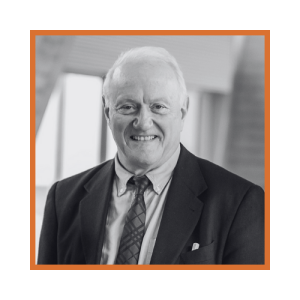
Director of the UNESCO World Heritage Center (2000-2010) and UNESCO Director-General for the Culture Sector (2010-2018), he is ICCROM’s Special Adviser and member of the Steering Committee of the Aga Khan Trust for Cultures.
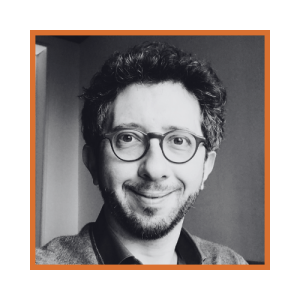
Associate Professor of Financial Sciences at the Department of Economics “Cognetti de Martiis” at University of Turin. Graduated in Economics at University of Turin, he holds a M.A. in Economics at CORIPE-Collegio Carlo Alberto and a PhD in Comparative Analysis of Institutions, Law and Economics at University of Turin and at Ghent University – Belgium).
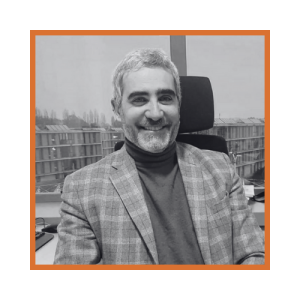
Full Professor of Administrative Law at Department of Law and since 2010, teacher at the specialization school of legal professions of University of Turin. Graduated in Law at University of Turin, he holds a PhD in Administrative Law at University of Milan.
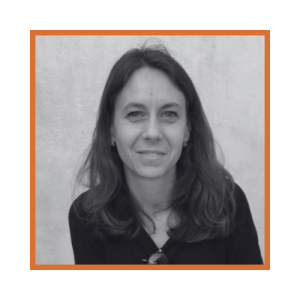
Associate Professor of Business Economics and Management at IULM University in Milan, where she teaches Cultural and Tourism Economics and Management within the Faculty of Arts, Fashion and Tourism. Her research focuses on the economics and management of tourism, culture, and the creative industries, with a particular emphasis on music tourism and the relationship between live performance and tourism
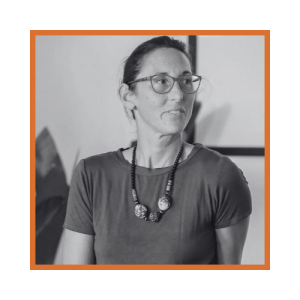
Associate Professor of Economic and Political Geography at Alma Mater Studiorum University of Bologna, from 2014 to 2018 was director of the Center for Advanced Studies on Tourism at the Rimini Campus where she currently acts as President.
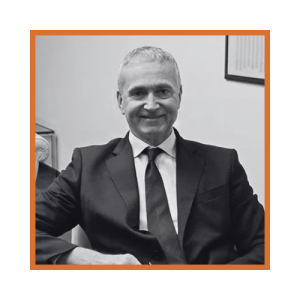
Full Professor of Economics and Management at IULM University. Coordinator of the PhD in “Economics, Management and Comunication for Creativity” and pro-Rector for Innovation and Development at IULM University. Currently he is President of Sirti Spa, Board Member of Banca Generali and Deputy Mayor of Eon Italia Spa.
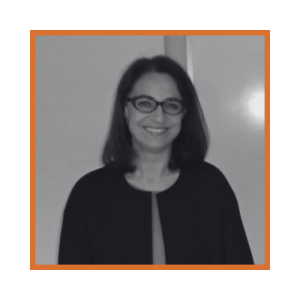
Associate Professor of Political Economy at the Department of Economics and Statistics “Cognetti De Martiis” of the University of Turin where she holds the UNESCO Chair in “Economics of culture and heritage” and is vice-director Master in “Cultural Property Protection in Crisis Response”. She was board member of the “La Venaria Reale” Valorisation Consortium.